
Travel guide
The Paphos guide
Where to stay, swim, eat and drive — the version we'd give a friend arriving next week.
Getting your bearings
Paphos splits into two halves. Kato Paphos is the lower town by the sea — harbour, castle, archaeological park, hotels and most of the restaurants visitors use. Ktima, the upper town, is where locals shop, eat and run errands, and where the covered market and municipal gardens are.
West of the city the coast runs out through Chlorakas and Kissonerga to Coral Bay and Peyia, then into the roadless Akamas. East it curves towards Aphrodite's Rock and Pissouri. Inland, within forty minutes, the ground climbs into wine villages and eventually the Troodos.
When to go
Shoulder season — April to early June, then September to late October — is the sweet spot: warm sea, walkable temperatures, full tour schedules and prices below peak. July and August are hot and busy but the sea is at its best.
Winter is underrated. Daytime temperatures hover in the high teens, the landscape turns green, the archaeological sites are empty and gorge walks are comfortable. Fewer boats run, so plan land-based days.
Beaches and swimming
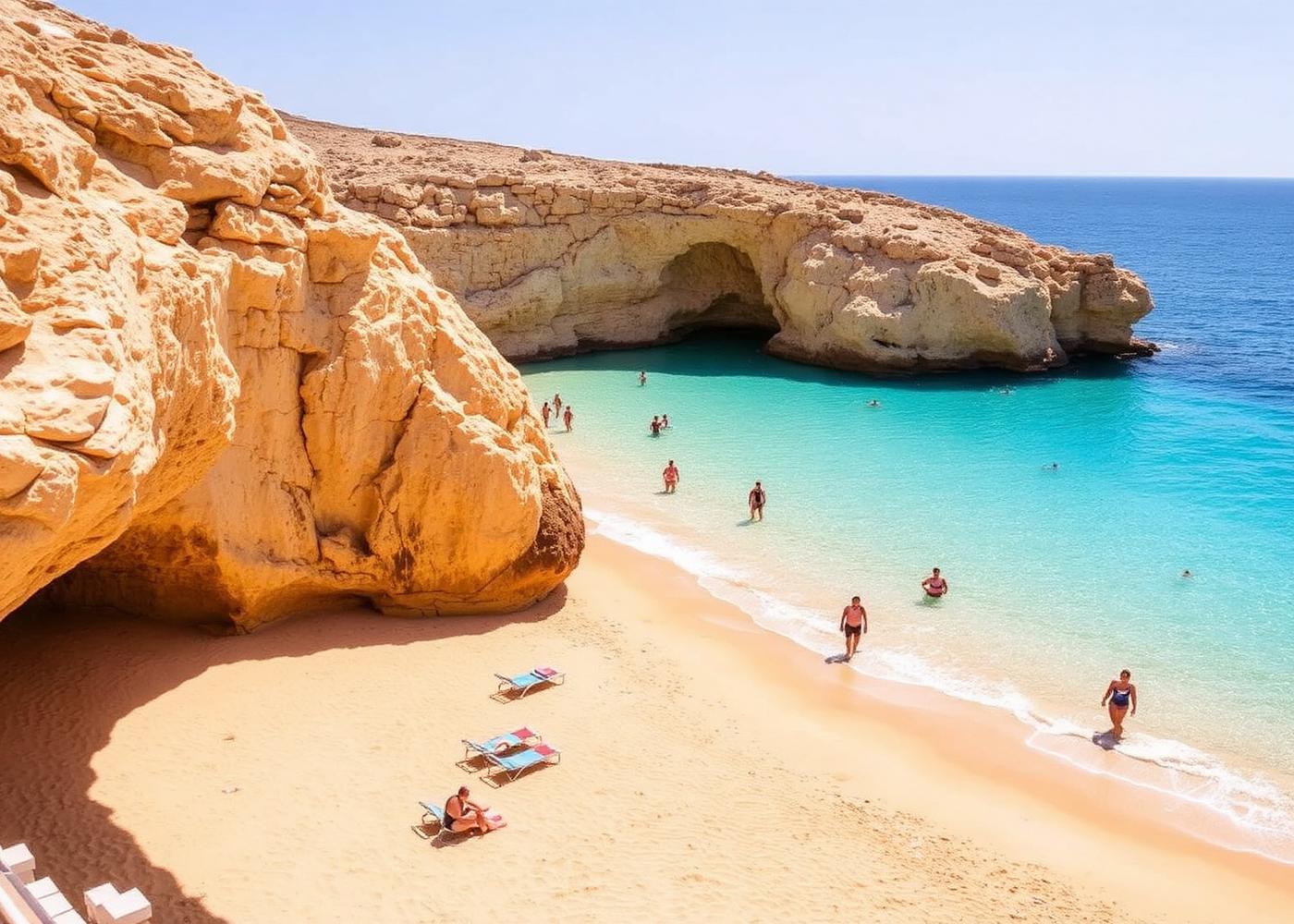
Coral Bay is the family default: sand, shallow entry, lifeguards and facilities. Lighthouse Beach and Faros are quieter and closer to the archaeological park.
For wilder swimming head north — Lara Bay, Toxeftra and the coves below the Akamas ridge, all of which need a 4x4 or a boat. The Blue Lagoon is the standout, and it is only reachable by sea or off-road track.
Eating in Paphos
Meze is the local format: fifteen to twenty small dishes, ordered for the table, taking two hours. Fish meze near the harbour, meat meze in the villages.
Look for halloumi grilled rather than fried, koupepia, sheftalia, and village bread with olives. In the hills, Kathikas and Polemi have wineries pouring local Xynisteri and Maratheftiko worth an afternoon.
Getting around
Buses connect the harbour, Kato Paphos, the upper town and Coral Bay frequently and cheaply. Taxis are metered and easy to find near the harbour.
Hiring a car opens up Aphrodite's Rock, the villages and Polis, but note that rental insurance excludes unsurfaced roads — which is precisely why Akamas trips run as guided 4x4 safaris.
Paphos with children
Short boat trips, pony rides, the archaeological park early in the morning and Coral Bay in the afternoon make a workable rhythm. Aim activity before 11:00 and after 16:30 in summer.
Most operators carry child life jackets, shade and booster seating, and children under two usually travel free.
Attractions
Places worth building a day around
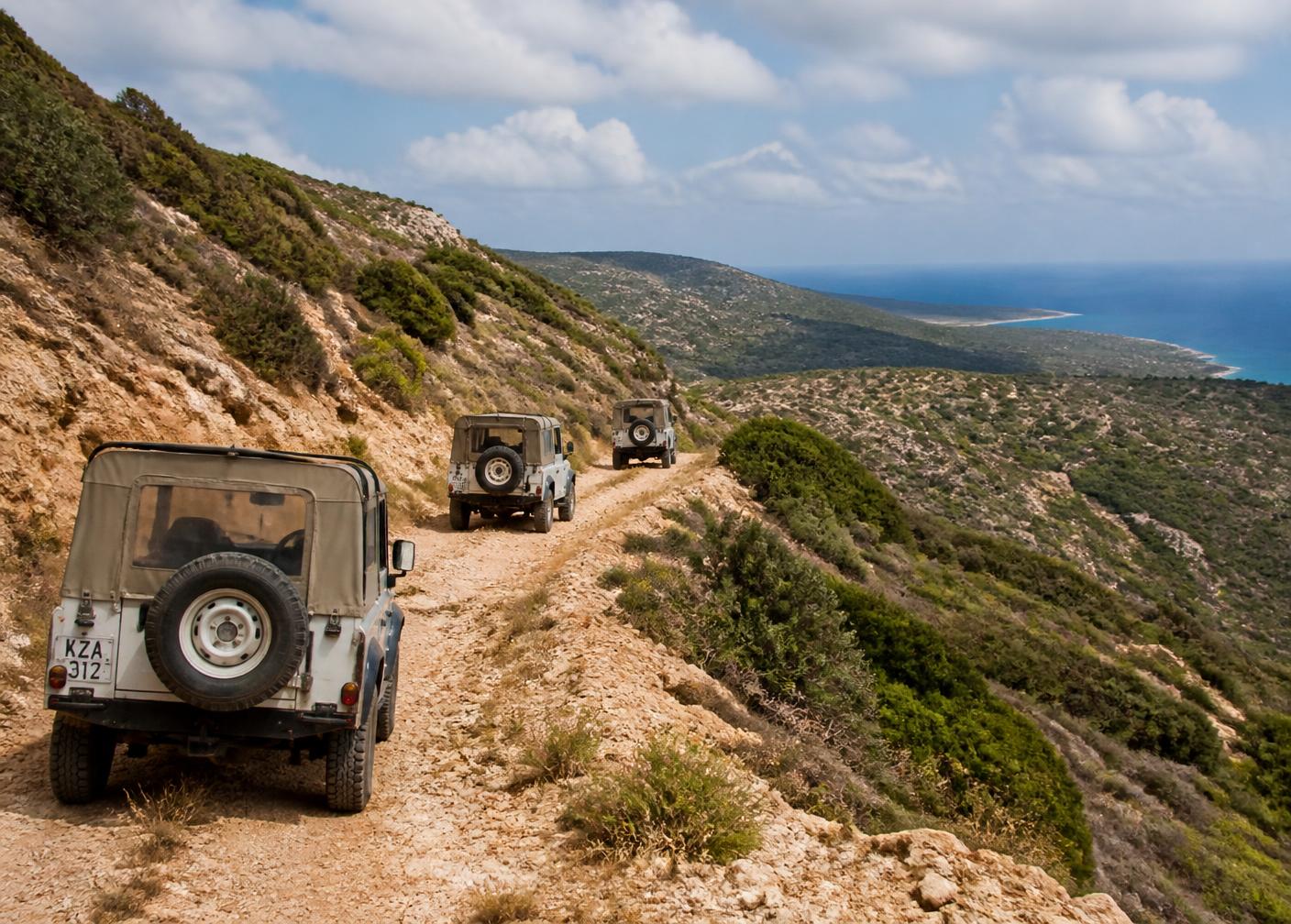
Akamas Peninsula
A protected national park of gorges, empty beaches and dirt tracks — the wildest corner of western Cyprus.
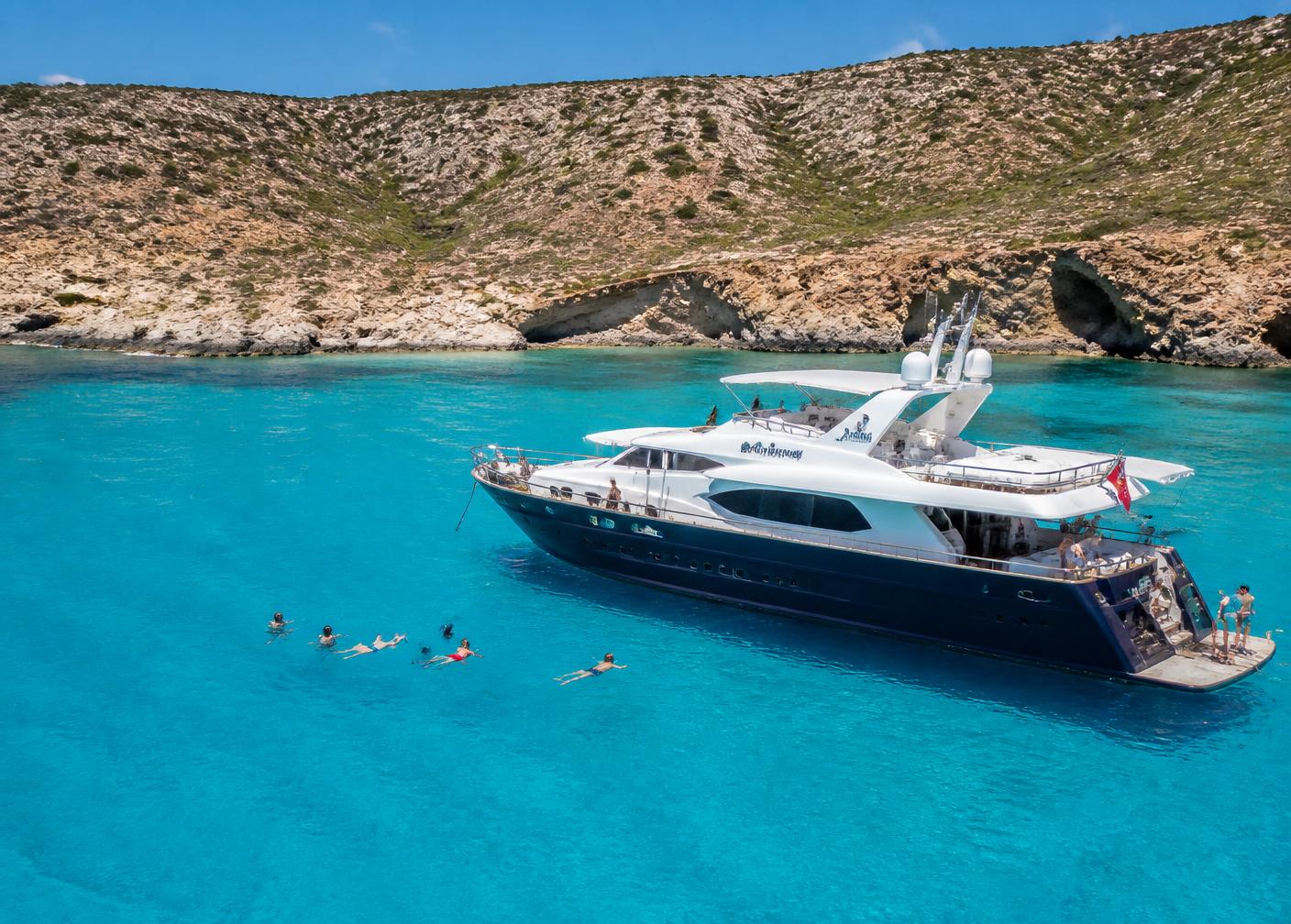
Blue Lagoon
The famous turquoise swimming bay on the Akamas coast, reached by boat from Paphos or Latchi.
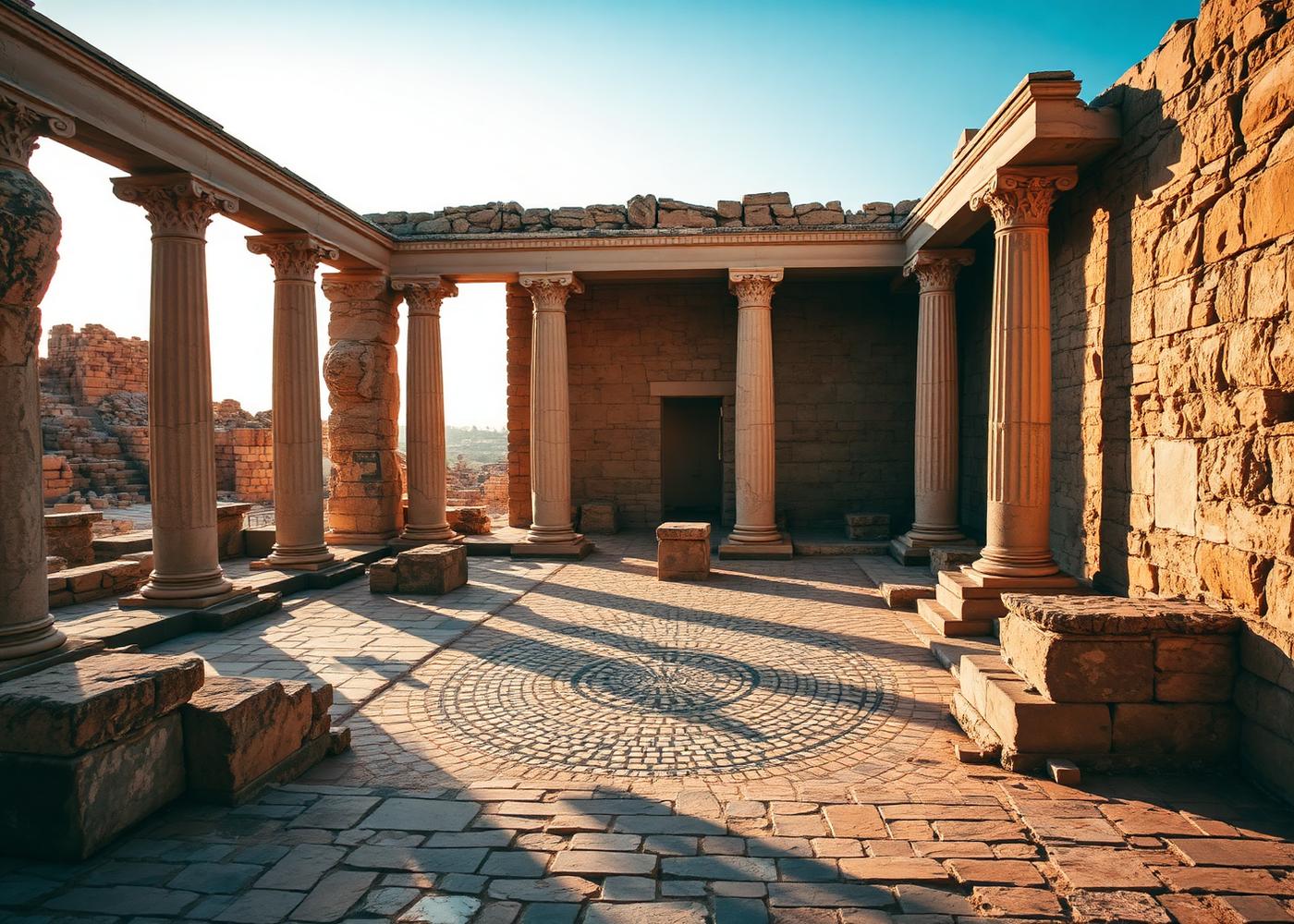
Archaeological Park of Paphos
A UNESCO World Heritage site beside the harbour, best known for its Roman villa mosaics.
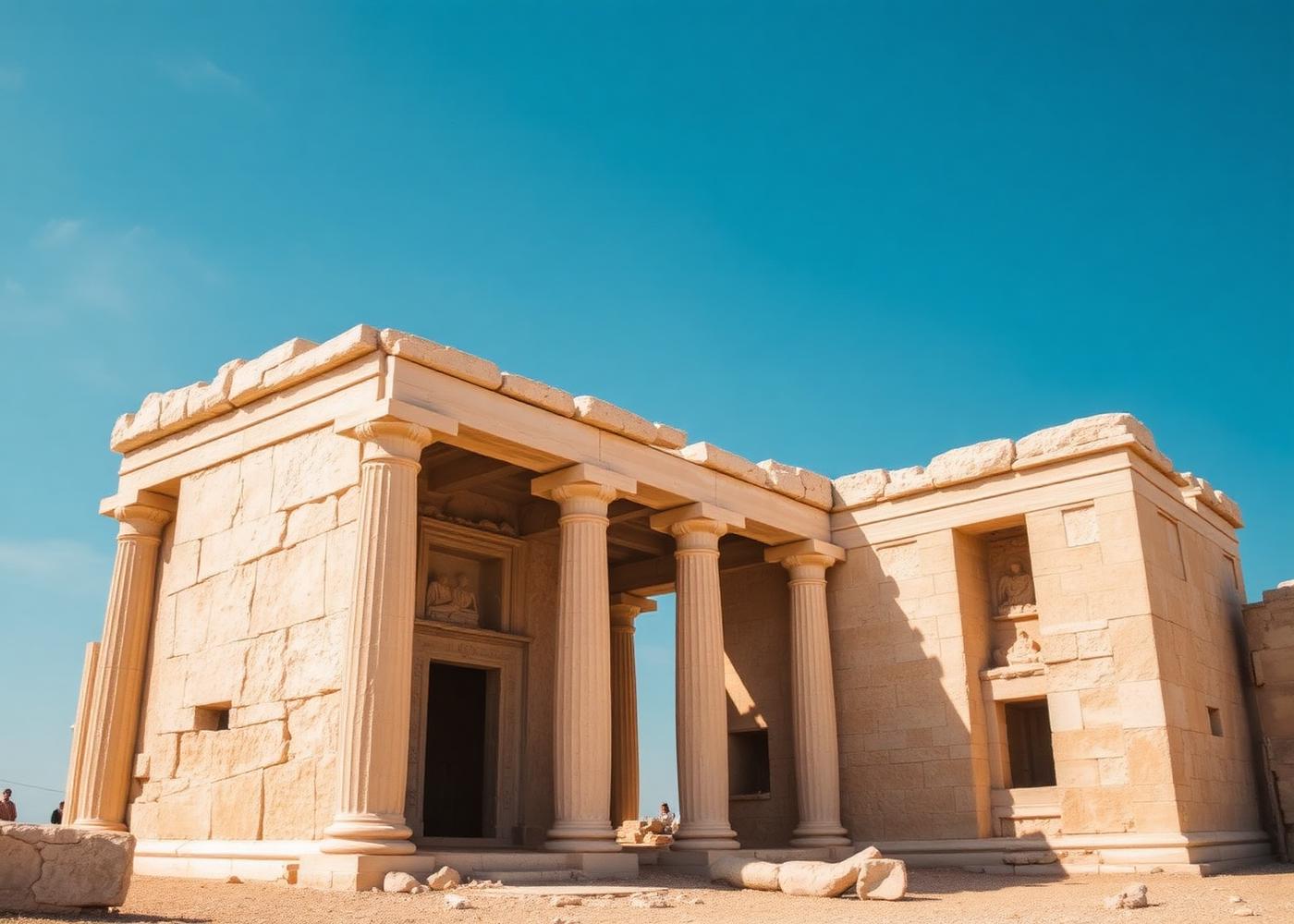
Tombs of the Kings
Monumental rock-cut tombs carved out of the coastal shelf, dating from the Hellenistic period.
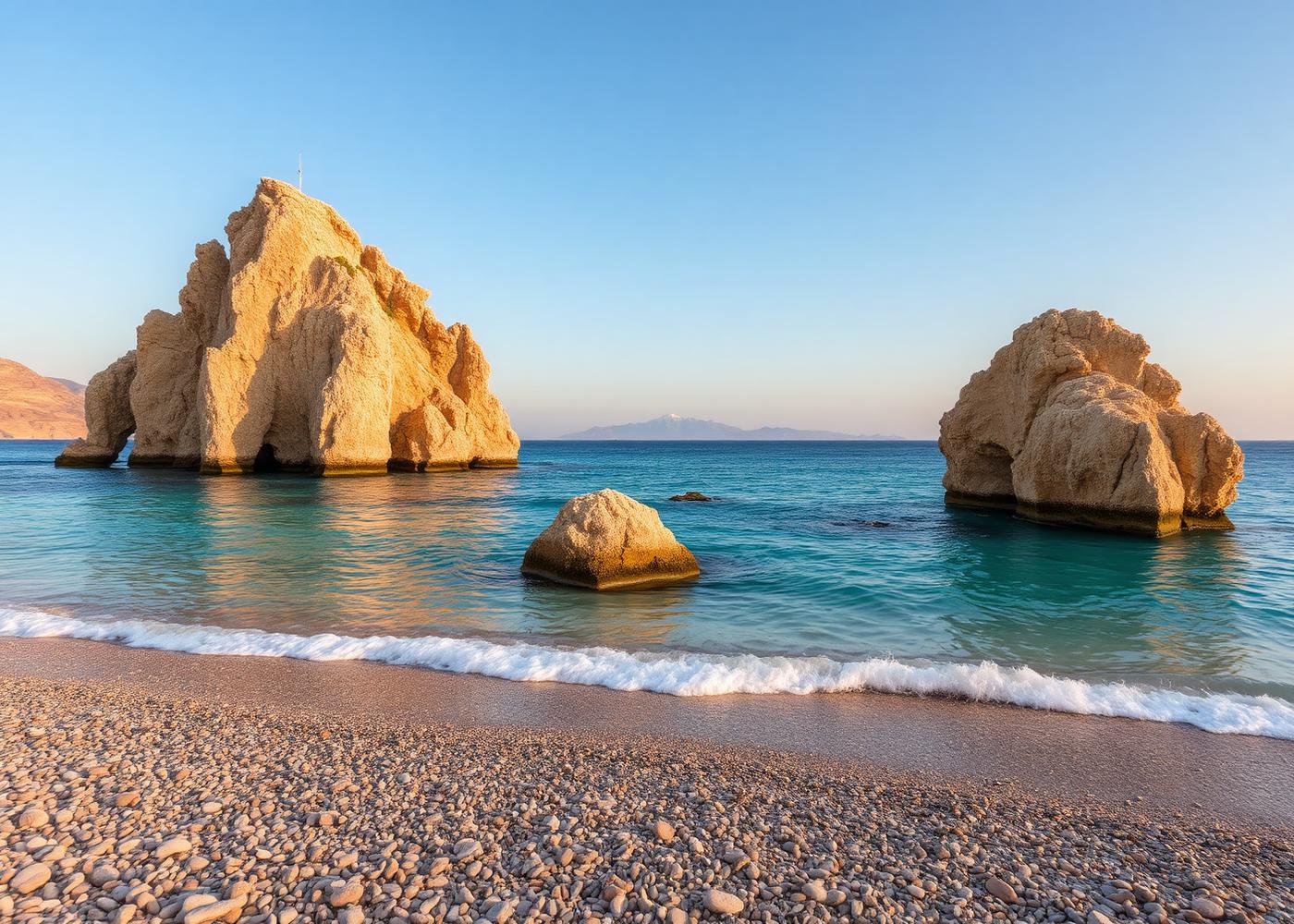
Aphrodite's Rock (Petra tou Romiou)
The sea stacks on the coast road east of Paphos, traditionally the birthplace of Aphrodite.
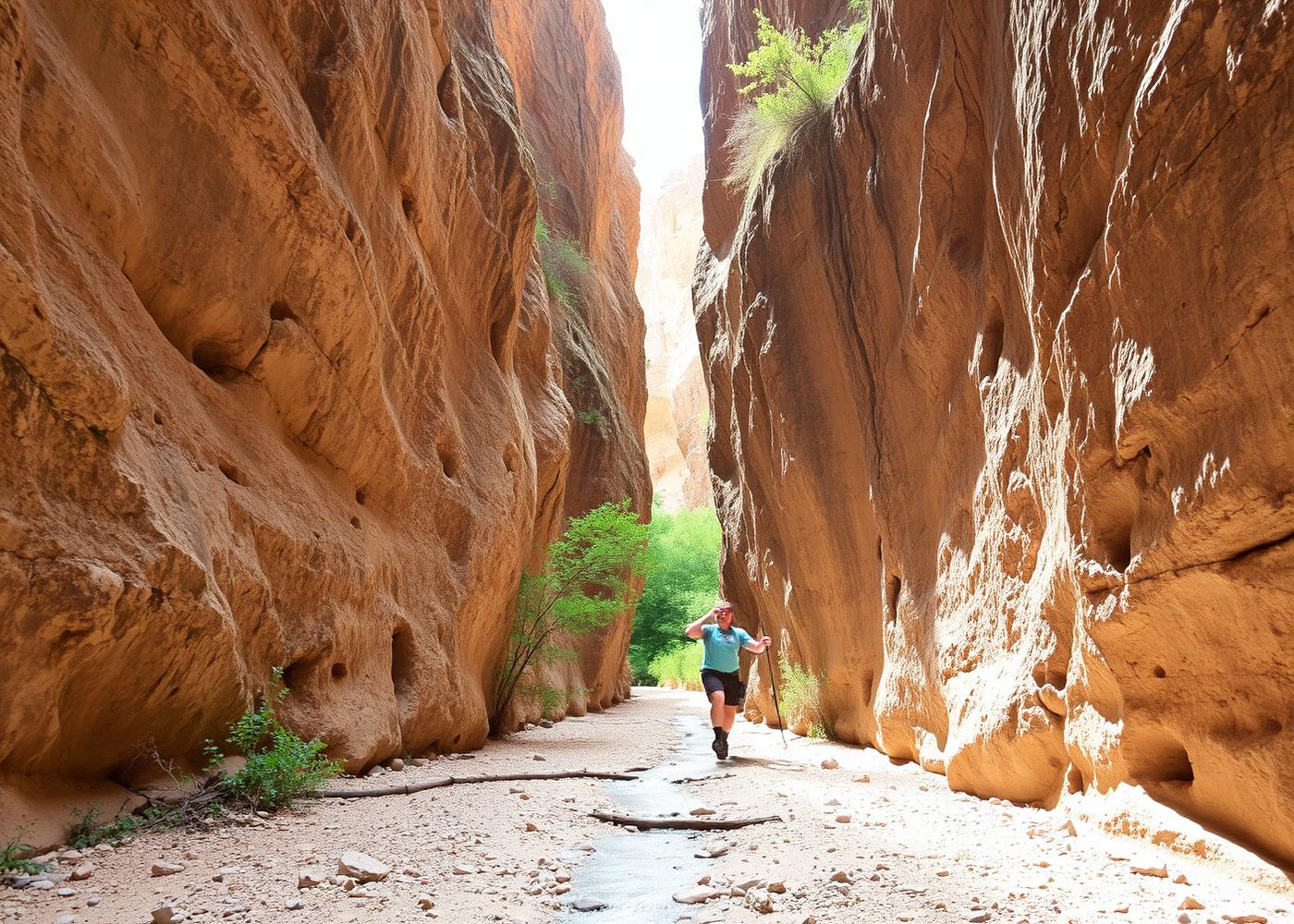
Avakas Gorge
A narrow limestone canyon where the walls close to a few metres apart.
Answers
Planning questions
From the blog
Things To Do
20 Best Things to Do in Paphos
From UNESCO mosaics and harbour sunsets to Akamas safaris and Blue Lagoon swims — the trip-worthy things to do in Paphos.
Tours & Excursions
Best Boat Trips from Paphos
Which Paphos boat trip suits you — Blue Lagoon day cruise, sunset sail, family catamaran or private charter.
Akamas
The Ultimate Guide to the Akamas Peninsula
How to visit the Akamas properly: safaris, boats, hikes, Lara Bay and the practical rules that catch visitors out.