
Discover the Archaeological Museum of the Pafos District
Paphos is famous for its archaeological sites, ancient mosaics and rich connection to Greek mythology. But to understand the people who lived here thousands of years ago, a visit to the Archaeological Museum of the Pafos District is an excellent place to start.
Located in the Ktima area of Paphos, the museum brings together archaeological discoveries from across the district. Its collections reveal how communities developed, traded, created art, practised religion and lived their daily lives throughout different periods of Cypriot history.
From prehistoric figurines and ancient pottery to Roman sculptures, coins and medical instruments, the exhibits offer a fascinating introduction to the region's cultural heritage.
Whether you are interested in history, archaeology, ancient art or simply want to discover another side of Paphos, this museum is a worthwhile stop during your holiday in Cyprus.
A Museum Preserving Thousands of Years of History
The Archaeological Museum of the Pafos District first opened to the public in 1964, shortly after Cyprus gained independence. It was subsequently expanded and later reorganised to present its collection in a more accessible, chronological format.
The museum displays finds from archaeological excavations throughout the Paphos district, including discoveries from Palaipafos at Kouklia, Nea Pafos in present-day Paphos and Marion-Arsinoe near modern Polis Chrysochous.
Other objects originate from places such as Kissonerga, Lempa, Geroskipou and Pegeia, helping visitors understand how settlements across the region developed and interacted.
The collection spans a remarkable period of history, from early prehistoric communities to the Hellenistic and Roman eras and, in some displays, later historical periods.
The chronological arrangement makes it easier to follow the development of local civilisation and see how art, technology, trade and everyday life changed over time.
What Can You See Inside the Museum?
The museum's collection includes a variety of archaeological objects that provide insight into the lives and beliefs of ancient Cypriots.
Prehistoric Pottery and Figurines
Some of the earliest exhibits relate to the prehistoric communities that lived in Cyprus thousands of years ago.
Pottery, stone objects and figurines help visitors understand how people made tools, prepared food, decorated their surroundings and expressed beliefs through objects.
Among the most interesting discoveries from the wider Paphos region are figurines associated with domestic settings and ritual practices. These objects provide clues about the artistic traditions and spiritual life of early communities.
Ancient Coins and Jewellery
Coins and jewellery offer another perspective on the region's development.
Coins minted in Paphos during the Hellenistic and Roman periods reflect the city's economic importance and its connections with the wider Mediterranean world.
Jewellery and personal ornaments reveal aspects of craftsmanship, fashion and social identity. Small objects like these can tell stories that are not always visible in the monumental remains of ancient cities.
Sculptures of Aphrodite and Asclepius
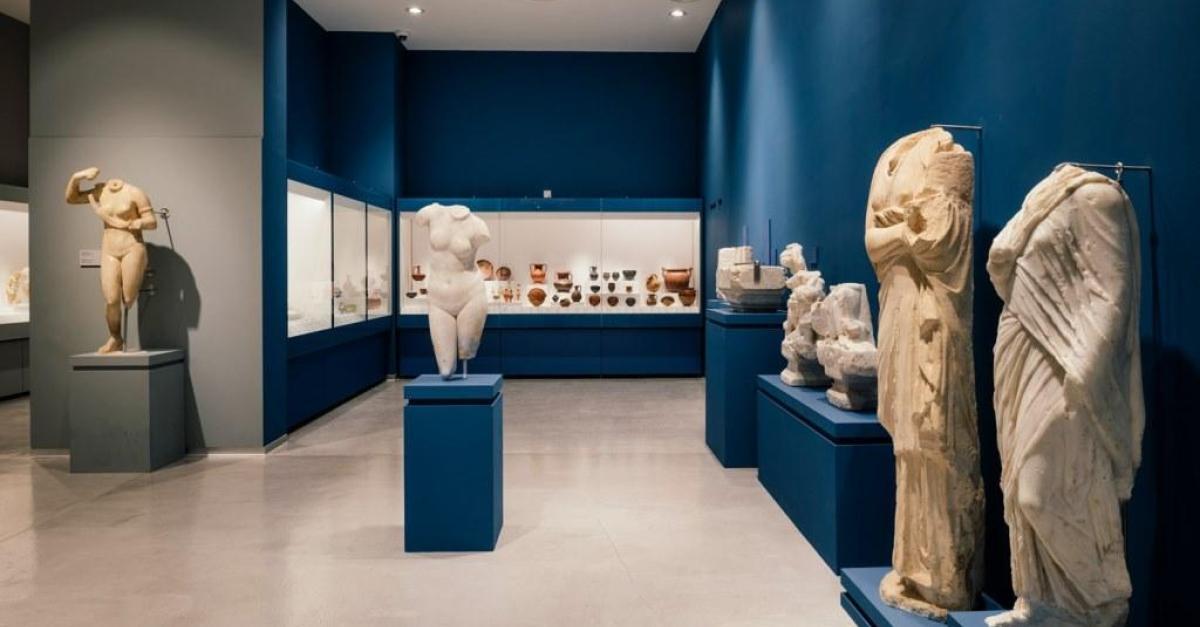
Sculpture is among the highlights of the museum's collection.
Paphos has a particularly strong association with Aphrodite, the goddess of love and beauty in Greek mythology. The wider region was an important centre of her worship, and archaeological discoveries help illustrate how religious traditions evolved over time.
The museum is also known for a marble statue of Asclepius, the ancient Greek god associated with medicine and healing.
Together, these sculptures provide a glimpse into the artistic traditions and religious beliefs of the ancient Mediterranean.
Roman Medical Instruments
One of the more unusual aspects of the collection is its evidence of ancient medical practice.
Metal instruments discovered in tombs associated with doctors or surgeons, alongside ceramic objects used for therapeutic purposes, suggest that medical knowledge and treatment were important aspects of life in Roman-era Paphos.
These objects are particularly interesting because they reveal practical details of daily life beyond temples, monuments and public buildings.
They also help visitors appreciate the skills, knowledge and specialised professions that existed in the ancient city.
Tombstones, Sarcophagi and Inscriptions
Funerary objects reveal how people remembered the dead and expressed social status, identity and cultural traditions.
The museum displays stone inscriptions, tombstones and sarcophagi associated with different periods. These objects can preserve names, commemorations, artistic details and clues about ancient burial customs.
They also illustrate connections between Paphos and the wider Greek and Roman worlds.
From Ancient Paphos to the Roman Metropolis
Paphos developed into an important urban centre during antiquity. Its archaeological remains demonstrate how the city and surrounding communities changed under different political, cultural and economic influences.
During the Hellenistic and Roman periods, Paphos became a significant centre of administration, commerce, religion and artistic activity.
The museum helps bring this history to life through objects discovered at archaeological sites throughout the district.
Among the important themes are religious traditions, domestic architecture, craftsmanship, trade, medicine and the organisation of urban life.
Some exhibits also connect with the celebrated archaeological site of Nea Pafos, where the remains of Roman villas and their magnificent mosaic floors demonstrate the wealth and artistic sophistication of the ancient city.
A museum visit can therefore provide useful context before exploring the archaeological park itself.
Why Visit the Archaeological Museum of the Pafos District?
There are several reasons to include this museum in your Paphos itinerary.
Discover local history. Learn about the people who lived in the Paphos region long before the modern tourist destination developed.
Explore ancient art. See sculptures, pottery, jewellery and other objects that reveal the artistic achievements of past civilisations.
Understand everyday life. Medical instruments, household objects and coins offer a more personal view of ancient society.
Complement archaeological sites. The museum provides context for visiting Nea Pafos, Palaipafos at Kouklia and other historic locations around the district.
Enjoy a cultural activity. It is a useful option for visitors who want to experience something different from beaches, boat trips and outdoor excursions.
The museum can also be an interesting stop for travellers who enjoy history but have limited time for a larger archaeological itinerary.
Opening Hours and Entrance Information
The museum's published visitor information has listed opening hours from Tuesday to Sunday, with Mondays closed. Public holidays may also affect access.
Published schedules and admission information can differ between tourism listings, so it is important to confirm the latest details before visiting.
The Visit Pafos listing has reported the following information:
Tuesday to Sunday: 09:00–16:30.
Monday: Closed.
Public holidays: Check in advance.
Entrance: Listed as free on the Visit Pafos and Department of Antiquities information.
Opening hours and admission arrangements may change. Check the museum's current information before travelling, especially if you are planning a visit around a public holiday.
Accessibility and Visitor Facilities
The museum is listed as having accessible entryways, an accessible toilet and designated parking spaces. Visitors with specific accessibility requirements should confirm current facilities before their visit.
Allow enough time to explore the displays at a comfortable pace. Reading the information accompanying the objects can make the experience more rewarding, particularly if you are interested in the historical context behind the finds.
If you are visiting with children, you can turn the experience into a discovery activity by asking them to look for particular objects, such as ancient coins, pottery, sculptures or tools.